
Choose the Best Biodegradable Flushable Wipes
Finding the perfect balance between personal hygiene and environmental responsibility is easier than ever with biodegradable flushable wipes. As awareness of plastic pollution grows, more consumers are choosing eco-friendly alternatives that provide effective cleaning while minimizing environmental impact.
What Are Biodegradable Flushable Wipes?
Biodegradable flushable wipes are designed to break down naturally after disposal. Unlike traditional wipes made from synthetic fibers such as polyester or polypropylene, these wipes are typically produced using plant-based materials like wood pulp or bamboo.
These natural fibers allow the wipes to decompose through microbial activity, reducing long-term environmental harm. This makes them a more sustainable choice for daily hygiene routines.
How Do They Break Down?
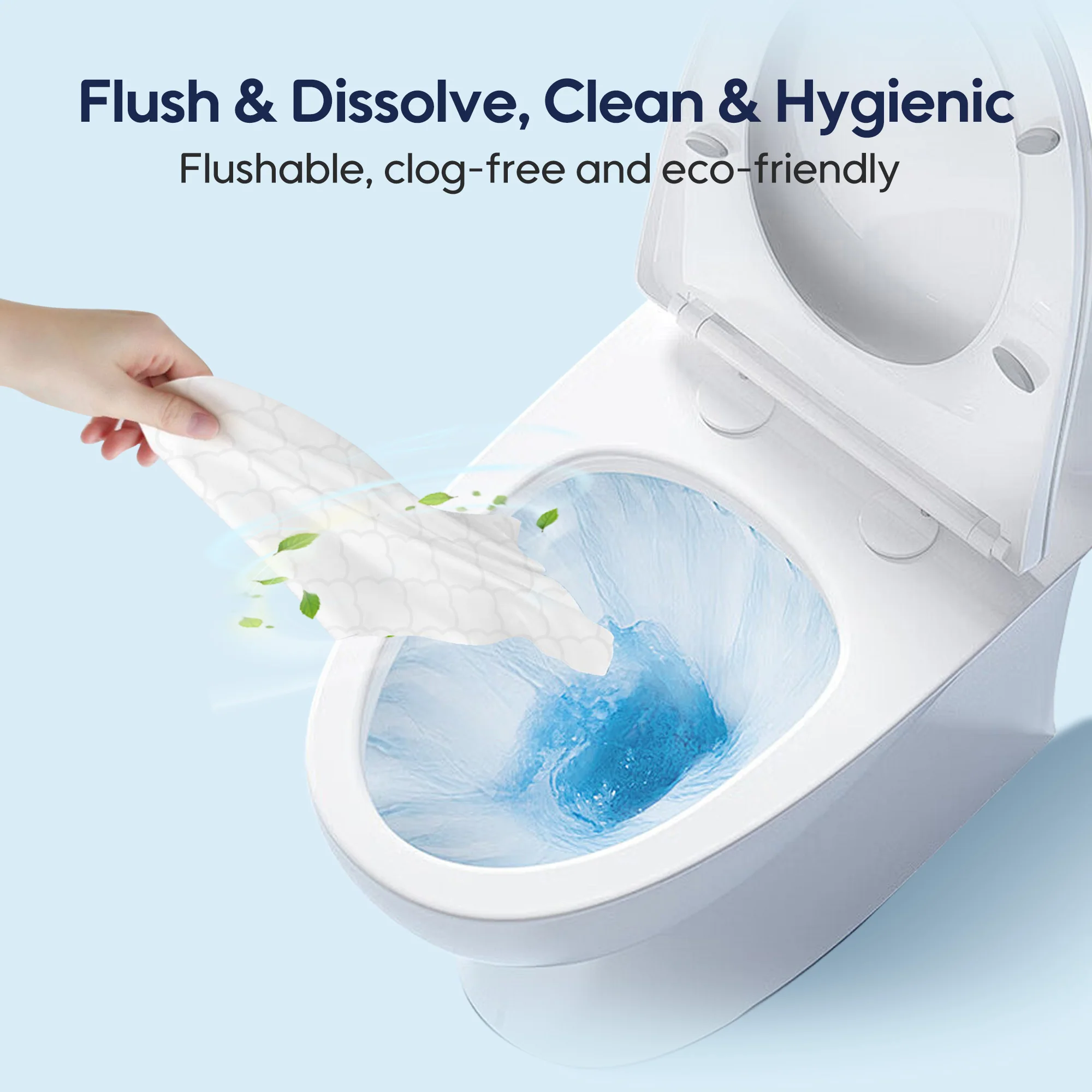
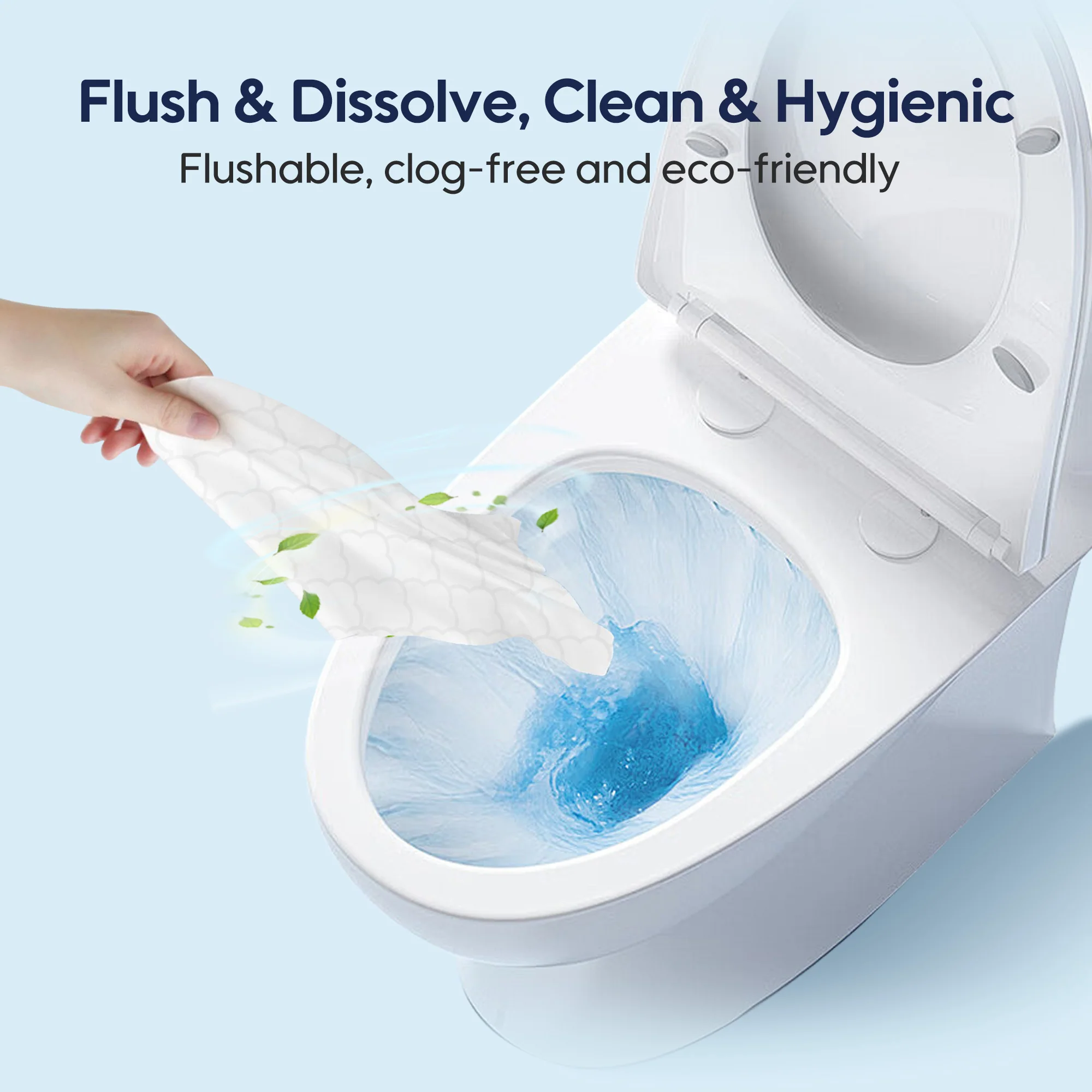
A key feature of flushable wipes is their dispersibility — the ability to disintegrate quickly in water. High-quality biodegradable wipes are engineered to maintain strength during use but break apart once flushed.
This is achieved through specialized bonding technology that holds fibers together temporarily, ensuring effective cleaning while allowing safe passage through plumbing systems.
Benefits of Biodegradable Flushable Wipes
- Eco-Friendly: Helps reduce plastic waste and microplastic pollution.
- Plumbing Safe: Designed to break down faster, lowering the risk of clogs.
- Skin Friendly: Often free from harsh chemicals and suitable for sensitive skin.
- Sustainable Materials: Commonly made from renewable plant-based fibers.
What to Look for When Buying
1. Flushability Certifications
Look for recognized standards such as “Fine to Flush” or compliance with international flushability guidelines. These certifications indicate the product has passed strict testing for safe disposal.
2. Ingredient Transparency
Check that plant-based fibers are the primary material. Avoid wipes containing plastic components or unclear ingredient sources. Opt for products free from parabens, sulfates, and phthalates.
3. Sustainable Packaging
Choose products with recyclable or reduced-plastic packaging. Some brands also offer compostable packaging solutions for a more complete eco-friendly approach.
Common Misconceptions
Many people believe all wipes cause sewer blockages, but this is often due to non-flushable products being disposed of incorrectly. Properly certified biodegradable flushable wipes are designed to break down safely.
However, even with safe products, responsible usage is important to avoid potential plumbing issues.
Best Practices for Use
- Use only 1–2 wipes per flush
- Flush wipes one at a time
- Follow product guidelines carefully
- Consider disposal alternatives if unsure about plumbing systems
Future of Eco-Friendly Wipes
Innovation in biodegradable materials continues to evolve. New developments such as seaweed-based fibers and water-soluble binders are improving both performance and sustainability.
As demand increases, eco-friendly wipes are expected to become the standard choice in personal care.
Conclusion
Biodegradable flushable wipes offer a practical solution for maintaining hygiene while protecting the environment. By choosing certified, plant-based options and using them responsibly, you can reduce your environmental footprint without sacrificing convenience.